September 18, 2026
Every motor vehicle is a complex mechanical system that requires consistent care to maintain peak performance, comprehensive safety, and operational longevity across its entire service life. Modern drivers rely heavily on their personal automobiles for daily commuting, long-distance highway travel, and essential family transportation, making vehicle dependability a major priority for household stability and peace of mind. However, routine driving inevitably causes natural wear and tear on vital mechanical components, including braking systems, tires, engine components, steering mechanisms, and delicate electrical networks. Neglecting subtle warning signs or postponing routine evaluations can lead to unexpected roadside breakdowns, severe safety hazards, and exorbitant restoration costs down the road. Establishing a structured schedule for preventive care ensures that minor mechanical issues are identified and resolved before evolving into catastrophic structural failures. By prioritizing consistent professional inspections at a trusted auto repair shop, drivers safeguard their financial investments while ensuring dependable transportation for every journey across every season of the year.
Protecting Long Term Vehicle Reliability
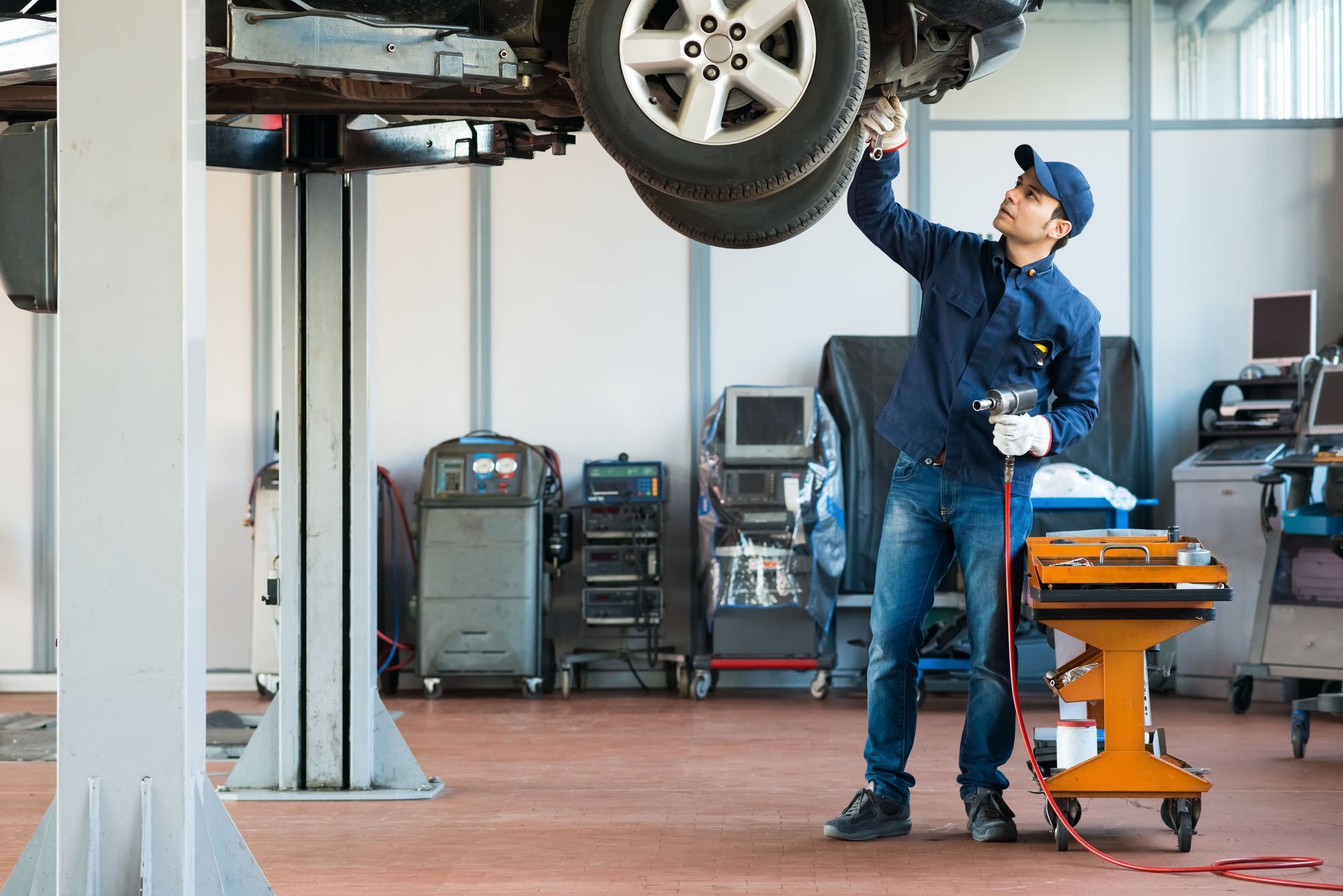
According to Allstate, it's recommended to get a professional auto check-up at least one time each year. Following this expert guidance establishes a proactive baseline that prevents underlying mechanical deterioration from compromising vehicle performance. During these comprehensive evaluations, experienced technicians carefully inspect critical fluid levels, engine belts, radiator hoses, suspension parts, and exhaust components for signs of premature aging or severe operational stress. Small leaks, hairline cracks, or loose connections can easily escape notice during casual daily use, yet these minor flaws often trigger significant system overhauls if left unaddressed by qualified professionals. Scheduling a thorough assessment at a certified auto repair shop provides vehicle owners with detailed insights into the current condition of their machinery, allowing for timely adjustments that preserve long-term drivability, mechanical health, and operational safety.
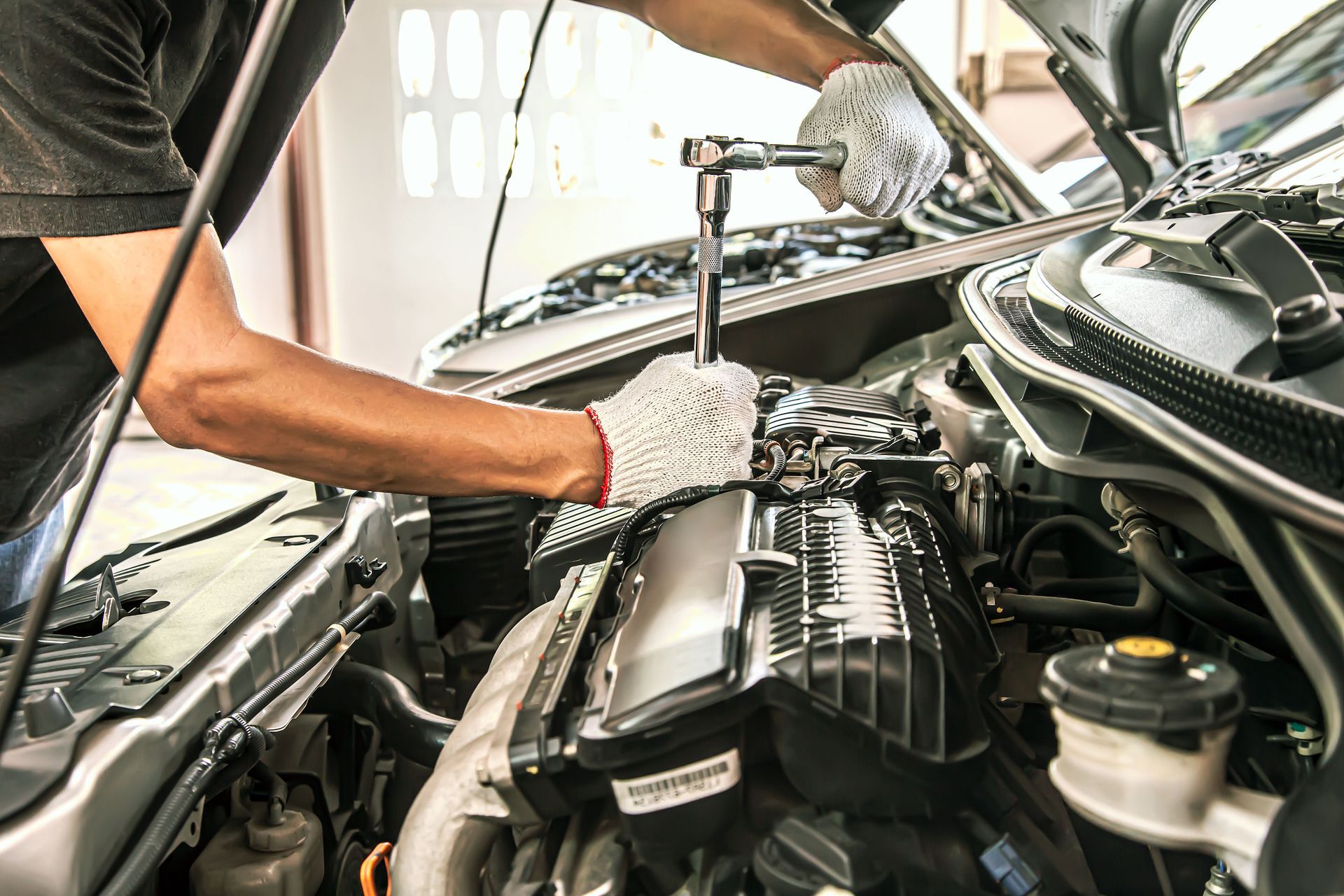
Beyond basic component inspections, annual evaluations focus heavily on internal fluid health, which serves as the fundamental lifeblood of any motor vehicle. Engine oil, transmission fluid, radiator coolant, hydraulic brake fluid, and power steering fluid all degrade over time due to intense mechanical heat, high pressure, and microscopic particle contamination. Fresh lubricants and clean hydraulic fluids reduce internal friction, dissipate intense engine heat, and prevent premature component wear that leads to severe internal damage. Experienced mechanics evaluate fluid purity and replenish vital reservoirs to ensure smooth gear transitions and optimal engine temperature control. Maintaining clean internal systems through a reputable auto repair shop extends the lifespan of complex machinery while preventing costly internal corrosion across years of continuous vehicle operation. Taking time to refresh critical fluids prevents unnecessary friction and ensures that every system performs cleanly under heavy load conditions.
Enhancing Overall Roadway Safety
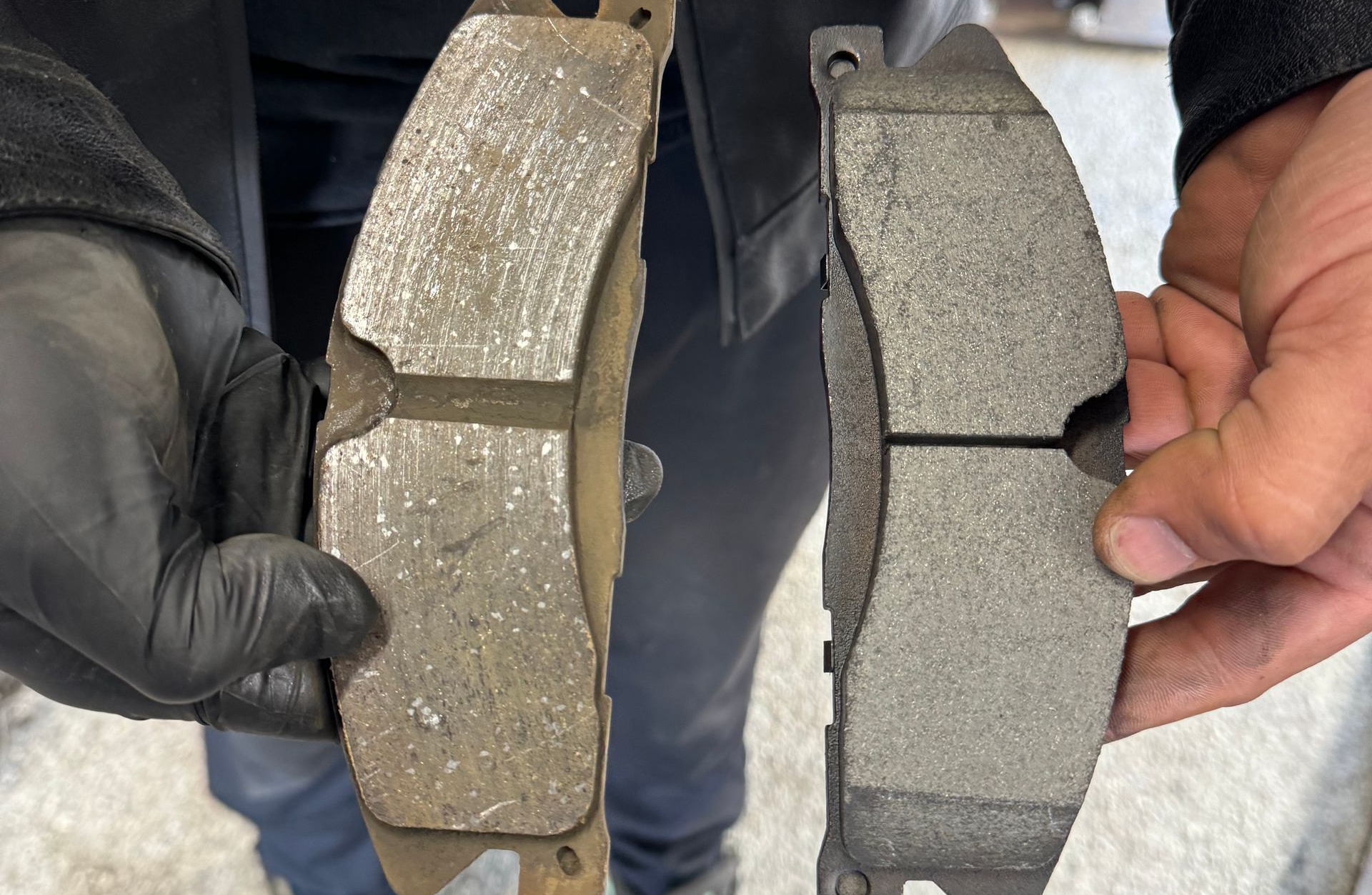
Roadway safety depends directly on the structural integrity and immediate responsiveness of critical vehicle safety systems during unexpected driving emergencies. Brakes, steering assemblies, suspension components, and tires work in harmony to maintain road traction, directional stability, and stopping power under diverse driving conditions. Over time, brake pads wear thin, suspension bushings deteriorate, and tire treads lose depth, gradually impairing the ability of a vehicle to react swiftly when sudden hazards appear on the road. A comprehensive evaluation conducted by a professional auto repair shop includes testing brake line pressure, measuring pad thickness, aligning wheel geometry, and inspecting tire sidewalls for subtle structural weaknesses. Addressing these critical safety elements eliminates hidden driving hazards and protects passengers during sudden highway maneuvers and adverse road conditions.
In addition to primary mechanical controls, electrical networks and exterior lighting systems require thorough testing to guarantee complete roadway safety at night. Modern automobiles depend on intricate wiring harnesses, fuses, computerized sensors, and powerful batteries to operate essential safety features like anti-lock brakes, traction control, and exterior illumination. Faded headlights, malfunctioning signal indicators, or a weakening battery can compromise driver visibility and impede clear communication with other motorists on dark roads. Routine electrical diagnostics identify failing alternators, corroded battery terminals, and blown fuses before they leave drivers stranded in hazardous locations. Investing in annual electrical system reviews ensures reliable starting power and optimal visibility in inclement weather conditions throughout the entire year. A fully functional electrical setup prevents sudden battery drain and gives drivers complete confidence during evening travel.
Preventing Costly Mechanical Failures
A primary reason to schedule regular vehicle evaluations is the significant financial savings achieved by avoiding major mechanical overhauls. Minor issues such as a worn timing belt, a leaking water pump, or a clogged fuel filter are relatively simple and affordable to repair during routine maintenance visits. However, if these components fail during operation, they can cause catastrophic engine damage that requires total component replacement or complete engine rebuilding. Establishing an ongoing relationship with a qualified auto repair shop allows technicians to track component wear over time and replace aging parts before total failure occurs. Proactive replacement schedules effectively minimize unexpected repair expenses and keep total ownership costs predictable over long ownership periods.
Furthermore, consistent maintenance records significantly enhance the market value of a vehicle when the owner decides to sell or trade in the automobile. Prospective buyers and commercial dealerships routinely pay higher prices for pre-owned vehicles that demonstrate a documented history of professional care and timely component replacement. Complete service records serve as verifiable proof that the vehicle was operated responsibly and maintained according to high industry standards. Conversely, a sparse maintenance history raises immediate red flags regarding hidden mechanical defects, internal engine sludge, or impending component failure. Relying on an established auto repair shop to perform regular service protects overall resale value and yields higher financial returns upon eventual vehicle turnover. Maintaining pristine service documentation transforms an aging vehicle into an attractive asset that retains significant market appeal.
Optimizing Daily Operational Efficiency
Maximizing fuel efficiency is another essential benefit of maintaining a strictly regulated vehicle inspection routine. Minor mechanical inefficiencies, such as misfiring spark plugs, dirty air filters, malfunctioning oxygen sensors, or underinflated tires, force the engine to consume significantly more fuel to maintain normal highway speeds. Over prolonged driving periods, these minor inefficiencies waste substantial amounts of gasoline, creating unnecessary daily expenses at the gas pump. During an annual evaluation, technicians clean air intake pathways, replace worn ignition components, test fuel injectors, and calibrate tire pressure to manufacturer specifications. Restoring optimal engine breathing and combustion efficiency allows the engine to burn fuel cleanly and economically across long trips.
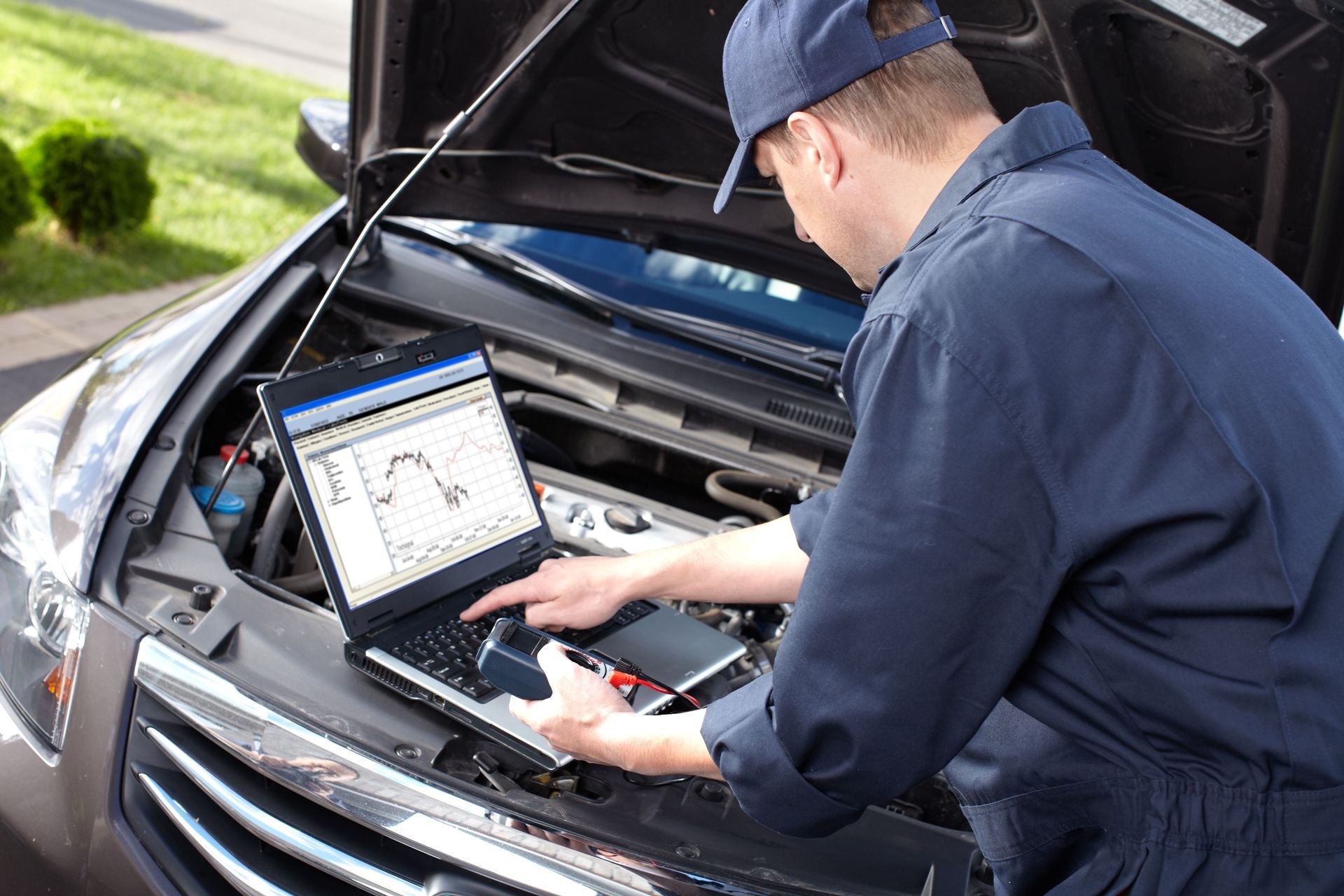
Beyond direct financial savings on fuel, an efficiently running engine produces fewer toxic exhaust emissions, contributing positively to local air quality and environmental health. Clogged catalytic converters, leaking exhaust manifolds, or faulty computer sensors allow unburned hydrocarbons and harmful particulates to escape into the surrounding atmosphere. Professional technicians utilize advanced diagnostic scanner tools to detect subtle engine management codes and repair exhaust system leaks promptly. Keeping the combustion process completely balanced ensures compliance with environmental standards while promoting cleaner communities. Relying on a dedicated auto repair shop for periodic performance tuning guarantees that your vehicle operates cleanly, quietly, and efficiently throughout every season of the year. Continuous engine upkeep preserves vehicle performance while reducing environmental footprints for responsible drivers.
Taking a proactive approach to vehicle care is essential for ensuring long term reliability, maximizing roadway safety, preserving financial resources, and maintaining peak operational efficiency. Rather than waiting for alarming warning lights or severe mechanical breakdowns to disrupt daily life, responsible drivers understand the immense value of regular preventive maintenance. Partnering with skilled technicians guarantees that potential mechanical vulnerabilities are identified and resolved before they compromise your safety on the road. Protecting your automotive investment through structured inspection schedules delivers enduring peace of mind and effortless driving performance. When you are ready to prioritize the health and longevity of your vehicle with exceptional craftsmanship and honest service, contact this business: Star Auto Service.